In today’s digital age, social media is more than just a means of connecting with friends and family. It has emerged as one of the most effective tools for organisations to reach customers, develop brands, and increase revenue. Social Media Marketing (SMM) is the technique of promoting products, services, or brands through social media platforms in a meaningful and engaging manner. From small businesses to multinational corporations, everyone is adopting SMM to stay competitive in the online economy.
What is Social Media Marketing (SMM)? Social media marketing is the practice of developing, publishing, and promoting information on social media platforms such as Facebook, Instagram, LinkedIn, X (Twitter), YouTube, and others to meet marketing objectives. These objectives may include raising brand awareness, generating leads, driving website traffic, or increasing sales.
SMM is more than just publishing photographs and videos. Understanding your audience, planning content, communicating with followers, running sponsored advertisements, analysing performance, and continuously upgrading techniques are all part of the process.
Why Social Media Marketing is Important Social media has billions of active users worldwide. People spend a lot of time scrolling, watching videos, reading posts, and engaging with brands. This makes social media an excellent platform for businesses to communicate with their target audience.
• Increases brand visibility: Regular publishing keeps your brand visible and remembered.
• Increases trust and credibility: Engaging material and timely responses foster customer trust.
• SMM is a more affordable marketing method than traditional advertising.
• Direct consumer connections enable firms to communicate directly with their customers.
• Increases website traffic and sales: Social media attracts visitors to websites and landing pages.
Popular Social Media Platforms for SMM
Different platforms perform different functions, and the best one for your business and target audience is determined by these factors.
Facebook
Facebook is suitable for businesses of all sizes. It accepts postings, photographs, videos, groups, stories, and paid advertisements. It’s ideal for community development and targeted advertising.
Instagram
Instagram emphasises on visual content including photos, videos, and stories. It is ideally suited for lifestyle, fashion, food, travel, and personal branding.
LinkedIn
LinkedIn is a professional platform for B2B marketing, company branding, recruitment, and industry-specific information.
X (Twitter)
X is useful for providing quick updates, news, customer support, and popular topics.
YouTube
YouTube is the best platform for long-form video content, tutorials, product reviews, and instructional videos.
Key Elements of Social Media Marketing To thrive in SMM, organisations must focus on several key elements:
Content Creation
Content is the heart of social media marketing. This encompasses blogs, photographs, videos, reels, stories, infographics, and live sessions. The content should be useful, engaging, and relevant to the audience.
Audience Targeting
Understanding your audience’s age, interests, location, and behaviour helps you create emotionally engaging content.
Engagement
Likes, comments, shares, and messages are all indicators of engagement. Responding to comments and messages reveals that the brand values its audience.
Paid Advertising
Social media advertisements enable firms to reach a wider and more focused audience. Paid campaigns promote faster growth and more conversions.
Analytics and Performance Tracking
Tracking performance enables firms to identify what works and what doesn’t. Metrics like reach, engagement, clicks, and conversions are critical for growth.
Types of Content Used in SMM Using a variety of content kinds keeps social media presence fresh and engaging.
• Educational posts
• Promotional content
• Customer testimonials
• Behind-the-scenes content
• Polls and questions
• Short videos and reels
• Live sessions and webinars
Benefits of Social Media Marketing Social media marketing offers various advantages that directly impact business growth:
• Improved brand awareness
• Better customer relationships
• Higher website traffic
• Increased lead generation
• Enhanced customer support
• Real-time feedback from customers
Common Challenges in SMM
While SMM is powerful, it can come with challenges:
• Constant need for fresh content
• Algorithm changes on platforms
• Managing negative comments
• Maintaining consistency
• Measuring return on investment (ROI)
These challenges can be managed with proper planning, creativity, and regular analysis.
Social Media Marketing Strategy: Step-by-Step
A strong SMM strategy includes the following steps:
1. Define clear goals
2. Identify target audience
3. Choose suitable platforms
4. Create a content calendar
5. Post consistently
6. Engage with followers
7. Run paid campaigns when needed
8. Analyze results and optimize strategy
Future of Social Media Marketing The future of SMM is evolving rapidly. Trends like artificial intelligence, influencer marketing, short-form videos, social commerce, and personalized content are shaping the future. Businesses that adapt to these changes will gain a competitive advantage.
Video content, especially short videos, is expected to dominate social media. Brands will focus more on storytelling, authenticity, and customer experience.
Conclusion
Social Media Marketing is no longer optional for businesses—it is essential. It helps brands connect with customers, build trust, and grow in a competitive digital environment. With the right strategy, creative content, and consistent effort, SMM can deliver long-term success for any business. Whether you are a small business owner or a large enterprise, investing in social media marketing is one of the smartest decisions you can make today.

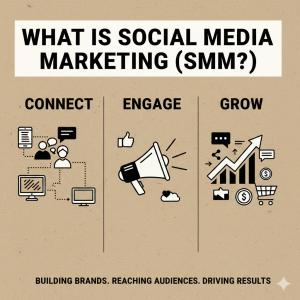 Social media marketing is the practice of developing, publishing, and promoting information on social media platforms such as Facebook, Instagram, LinkedIn, X (Twitter), YouTube, and others to meet marketing objectives. These objectives may include raising brand awareness, generating leads, driving website traffic, or increasing sales.
 Social media has billions of active users worldwide. People spend a lot of time scrolling, watching videos, reading posts, and engaging with brands. This makes social media an excellent platform for businesses to communicate with their target audience.
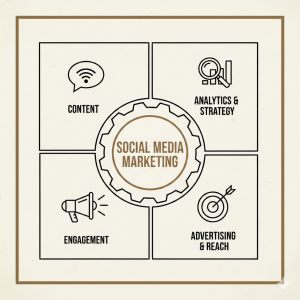 To thrive in SMM, organisations must focus on several key elements:
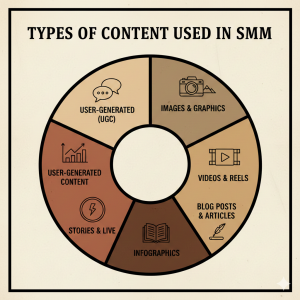 Using a variety of content kinds keeps social media presence fresh and engaging.
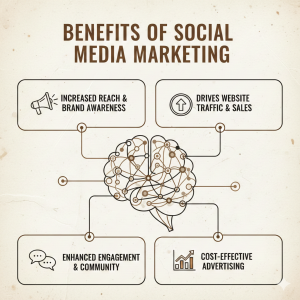 Social media marketing offers various advantages that directly impact business growth: