Email marketing remains one of the most cost-effective and reliable digital marketing channels. While strategies and creativity matter, the real backbone of successful email campaigns is the email marketing tool being used. These tools simplify complex processes, improve targeting, automate communication, and provide insights that help businesses grow faster.
In this blog, we will explore what email marketing tools are, why they are essential, and the key types of tools that help marketers build high-performing email campaigns.
What Are Email Marketing Tools? Email marketing tools are software platforms designed to help businesses create, manage, automate, and analyze email campaigns. Instead of sending emails manually, these tools allow marketers to design professional emails, schedule campaigns, segment audiences, track performance, and maintain compliance with email regulations.
From small start ups to large enterprises, email marketing tools help businesses stay connected with their audience in a structured and measurable way.
Why Email Marketing Tools Are Important Email marketing without proper tools can be time-consuming and inefficient. Here’s why these tools are essential:
• Automation: Saves time by sending emails automatically based on user behaviour.
• Personalization: Delivers tailored content to different audience segments.
• Scalability: Handles thousands of subscribers without manual effort.
• Data Insights: Tracks open rates, clicks, and conversions.
• Consistency: Maintains brand design and messaging across campaigns.
Without tools, managing large email lists and tracking results becomes nearly impossible.
Types of Email Marketing Tools Email marketing tools are not limited to just sending emails. They include multiple features that support the entire email marketing process.
1. Email Campaign Creation Tools
These tools help marketers design visually appealing emails without technical skills. They usually offer drag-and-drop editors, pre-designed templates, and mobile-responsive layouts.
Key benefits:
• Easy design customization
• Brand-consistent templates
• Faster campaign creation
These tools ensure that emails look professional on all devices.
2. Email Automation Tools
Automation tools allow emails to be sent based on triggers such as sign-ups, purchases, or user inactivity. This ensures timely communication without manual intervention.
Common automation workflows include:
• Welcome email sequences
• Abandoned cart emails
• Follow-up emails
• Re-engagement campaigns
Automation improves customer experience and increases conversion rates.
3. Audience Segmentation Tools
Not all subscribers are the same. Segmentation tools divide email lists based on behaviour, demographics, interests, or engagement levels.
Benefits of segmentation:
• Higher open and click rates
•More relevant content delivery
• Reduced unsubscribe rates
Segmented campaigns always perform better than generic mass emails
4. Personalization Tools
Personalization goes beyond using a subscriber’s name. Advanced tools customize content based on user preferences, past actions, or location.
Examples of personalization:
• Product recommendations
• Location-based offers
• Behaviour-based content
Personalized emails feel more human and build stronger relationships with subscribers.
5. Email List Management Tools
Maintaining a healthy email list is critical. List management tools help remove inactive users, prevent duplicates, and manage subscriptions properly.
These tools help:
• Improve deliverability
• Maintain email reputation
• Reduce bounce rates
A clean list ensures your emails reach real and interested users.
6. A/B Testing Tools
A/B testing tools allow marketers to test different versions of emails to see what performs best. You can test subject lines, content, images, or call-to-action buttons.
Advantages:
• Data-driven decisions
• Improved engagement rates
• Better campaign performance
Testing helps marketers understand what their audience truly responds to.
7. Analytics and Reporting Tools
Analytics tools track how recipients interact with emails. They provide detailed reports on campaign performance.
Key metrics tracked:
• Open rate
• Click-through rate
• Conversion rate
• Bounce rate
These insights help marketers refine strategies and improve future campaigns.
8. Deliverability and Spam Testing Tools
Even the best email is useless if it lands in spam. Deliverability tools check email quality, sender reputation, and spam triggers.
They help:
• Improve inbox placement
• Reduce spam complaints
• Maintain sender credibility
Good deliverability ensures your message actually reaches your audience.
How to Choose the Right Email Marketing Tool Choosing the right tool depends on your business goals and size. Consider the following factors:
• Size of your email list
• Budget and pricing structure
• Automation needs
• Integration with other platforms
• Ease of use and support
A tool that fits your workflow will always deliver better results than a complex system you rarely use.
Future of Email Marketing Tools Email marketing tools are evolving rapidly. Artificial intelligence, predictive analytics, and advanced personalization are shaping the future. Tools are becoming smarter, helping marketers send the right message to the right person at the perfect time.
As competition increases, businesses that use advanced email marketing tools effectively will stand out and build long-term customer relationships.
Conclusion
Email marketing tools are no longer optional—they are essential for modern digital marketing. From automation and personalization to analytics and deliverability, these tools empower businesses to run efficient, scalable, and profitable email campaigns.
By choosing the right email marketing tools and using them strategically, businesses can turn emails into a powerful channel for engagement, trust, and growth.

 Email marketing tools are software platforms designed to help businesses create, manage, automate, and analyze email campaigns. Instead of sending emails manually, these tools allow marketers to design professional emails, schedule campaigns, segment audiences, track performance, and maintain compliance with email regulations.
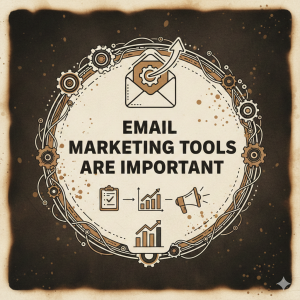 Email marketing without proper tools can be time-consuming and inefficient. Here’s why these tools are essential:
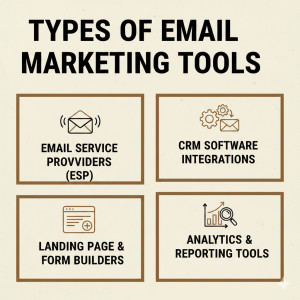 Email marketing tools are not limited to just sending emails. They include multiple features that support the entire email marketing process.
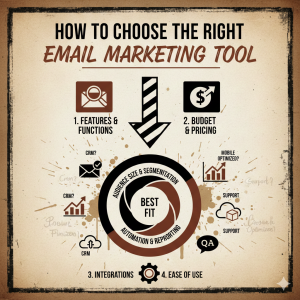 Choosing the right tool depends on your business goals and size. Consider the following factors:
 Email marketing tools are evolving rapidly. Artificial intelligence, predictive analytics, and advanced personalization are shaping the future. Tools are becoming smarter, helping marketers send the right message to the right person at the perfect time.