Email marketing is one of the most powerful and reliable digital marketing strategies used by businesses of all sizes. Even in an era dominated by social media and instant messaging, email continues to deliver consistent results, higher engagement, and better return on investment. When done correctly, email marketing helps businesses communicate directly with their audience, build trust, and drive long-term growth.
What Is Email Marketing?
Email marketing is the practice of sending targeted messages to a group of people through email. These messages can include promotional offers, product updates, newsletters, educational content, event invitations, or important notifications. Unlike social media platforms where algorithms decide who sees your content, email allows you to communicate directly with users who have shown interest in your brand.
The key strength of email marketing lies in permission. Subscribers choose to receive emails, which means they are already interested in your business, products, or services.
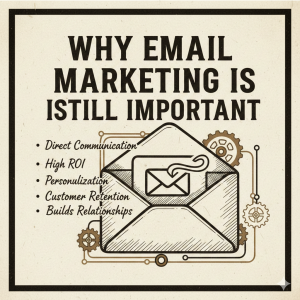
Why Email Marketing Is Still Important Despite the rise of new marketing channels, email marketing remains highly effective. One major reason is ownership. A business owns its email list, while social media followers belong to the platform. Email marketing also offers personalization, automation, and detailed performance tracking, making it a smart choice for long-term marketing success.
Another important factor is cost efficiency. Compared to paid advertising, email marketing requires a lower investment while delivering higher returns. Businesses can reach thousands of people with a single campaign without spending heavily on ads.
Types of Email Marketing
Email marketing is not limited to promotional messages. Different types of emails serve different purposes and help businesses engage with users at every stage of the customer journey.
Promotional Emails These emails focus on offers, discounts, product launches, and special deals. Promotional emails encourage quick action and are often time-sensitive.
Newsletter Emails
Newsletters are sent regularly to share updates, blog posts, company news, or industry insights. They help keep your brand fresh in the subscriber’s mind.
Transactional Emails
Transactional emails are triggered by user actions such as purchases, account registration, or password resets. These emails are essential for providing information and building trust.
Welcome Emails
Welcome emails are sent when someone subscribes to your email list. They create a positive first impression and introduce your brand, values, and offerings.
Re-engagement Emails
These emails target inactive subscribers and aim to bring them back with special offers, reminders, or updated content.
Building a Quality Email List
The success of email marketing starts with a strong and genuine email list. A quality list contains people who truly want to hear from you. Buying email lists may seem tempting, but it often leads to low engagement, spam complaints, and damaged brand reputation.
Effective ways to build an email list include website sign-up forms, lead magnets such as free ebooks or guides, webinar registrations, and exclusive offers. Always be clear about what subscribers will receive and how often you will email them.
Creating Effective Email Content
Good email content is clear, valuable, and relevant to the reader. Every email should have a purpose, whether it is to inform, educate, or convert. Subject lines play a crucial role, as they determine whether the email gets opened or ignored.
The body of the email should be easy to read, with short paragraphs and a friendly tone. Including a strong call-to-action helps guide readers toward the desired action, such as visiting a website, making a purchase, or reading a blog post.
Personalization and Segmentation
One of the most significant advantages of email marketing is personalisation. Instead of sending the same message to everyone, businesses can tailor emails based on user behaviour, interests, location, or purchase history.
Segmentation divides your email list into smaller groups, allowing you to send more relevant messages. Personalized and segmented emails usually perform better because they feel more meaningful to the recipient.
Email Automation
Email automation allows businesses to send emails automatically based on specific triggers or schedules. Automated campaigns save time while ensuring regular communication with subscribers.
Examples of automated emails include welcome series, follow-up emails after a purchase, birthday messages, and abandoned cart reminders. Automation helps nurture leads and maintain relationships without manual effort.
Measuring Email Marketing Performance
Tracking performance is essential for improving email campaigns. Key data include open rates, click-through rates, conversion rates, and unsubscribe rates. These insights help businesses understand what works and what needs improvement.
Testing different subject lines, content formats, and sending times can help optimize results over time. Continuous analysis and improvement are critical for long-term success.
Best Practices for Email Marketing Success
To succeed in email marketing, consistency and value are essential. Avoid sending too many emails, as this can annoy subscribers. Always respect user privacy and provide a clear unsubscribe option.
Mobile optimization is also crucial, as many users read emails on their smartphones. Emails should load quickly and display correctly on all devices.
Conclusion
Email marketing is a powerful tool that helps businesses connect with their audience in a direct and meaningful way. When done strategically, it builds trust, increases engagement, and drives consistent results. By focusing on quality content, personalization, automation, and performance tracking, businesses can turn email marketing into a long-term growth engine.
In a digital world filled with constant noise, email remains a personal and reliable channel that delivers real value to both businesses and customers.