Search Engine Optimization (SEO) is constantly evolving. New strategies appear as search engines become smarter and users expect faster, more relevant results. One such emerging concept is Park SEO. Although not as widely discussed as technicalSEO or contentSEO, ParkSEO plays a powerful role in building long-term visibility, especially for new, inactive, or future-ready websites.
In this blog, we will explore what Park SEO is, how it works, why it matters, and how businesses can use it effectively to prepare for future growth.
What Is Park SEO?
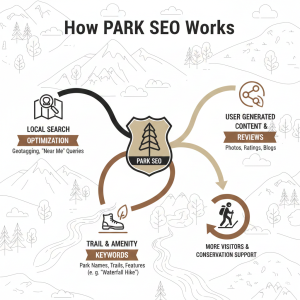
Park SEO refers to the process of optimizing a parked or low-activity domain so it remains search-engine friendly and ready for future development. A parked domain is a website or domain name that is registered but not actively used for full content publishing or services.
Instead of leaving the domain completely empty, Park SEO helps:
• Maintain domain health
• Build initial authority
• Avoid search engine penalties
• Prepare the site for future expansion
In simple terms, Park SEO ensures that a domain is not “wasted time” for search engines or users.
Why Park SEO Is Important Many businesses buy domains early but delay development. Without optimization, search engines may ignore or devalue such domains. Park SEO prevents this problem.
Future of Park SEO As search engines become more intent-driven, Park SEO will become more valuable. Domains that show early relevance and trust will gain advantages over newly registered sites.
Park SEO is not about quick wins—it is about strategic patience.
Conclusion
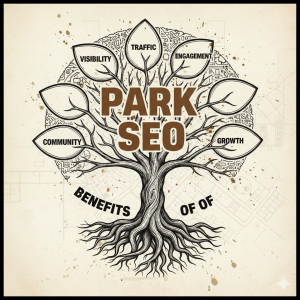
Park SEO is a smart, forward-thinking SEO strategy designed for domains that are not yet fully active but still hold future potential. By applying basic SEO principles, maintaining quality content, and ensuring technical health, Park SEO helps businesses stay prepared for growth.
Instead of letting a domain sit idle, Park SEO transforms it into a future-ready digital asset. Whether you are a startup, entrepreneur, or brand planner, Park SEO can give you a powerful head start in the competitive world of search engines.