Skip to content
Person A: “I have a website, but hardly anyone visits it. What am I missing?” Person B: “You’re missing SEO .” Person A: “SEO ? Sounds technical.” Person B: “Not really. Let me explain it in a simple way.” And that’s how most SEO discussions begin. So let’s talk about SEO (Search Engine Optimization) in a friendly, easy, and practical way—without complicated terms. 1. What Is SEO? (Let’s Keep It Simple)
Imagine you opened a shop in a big market, but there’s no signboard, no directions, and no one knows it exists. That’s exactly what a website without SEO looks like. SEO is the process of making your website visible on search engines like G o o gl e .When someone searches for: • “SEO services near me” • “how to grow business online” SEO helps your website appear in those search results.In simple words, SEO helps people find you online.
2. Why Is SEO Important? (A Quick Chat) Person A: “I already have social media . Do I still need SEO ?” Person B: SEO works even when you’re sleeping.”Here’s why SEO matters: • It brings organic (free) traffic • It builds trust and credibility • It gives long-term results • It attracts people who are already searching for your service • Unlike ads, SEO doesn’t stop working when your budget ends. 3. How Do Search Engines Work?
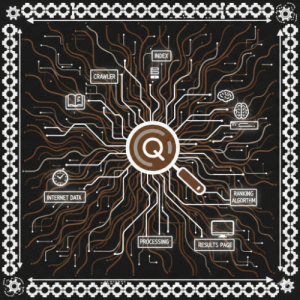
Let’s break this down in an easy way. Search engines do three main things: a) Crawling Search engines send bots to visit websites and read content. b) Indexing They store the information in their database. c) Ranking They decide which page should appear first based on quality and relevance. SEO helps your website perform better in all three steps.4. Types of SEO (Think of It as Teamwork)
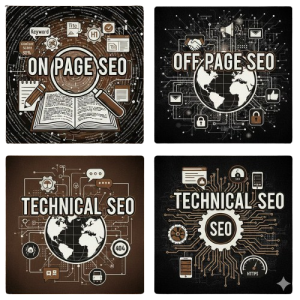
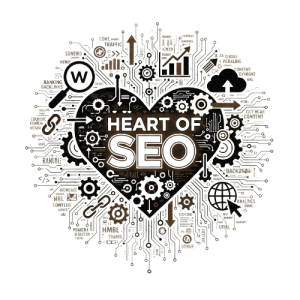
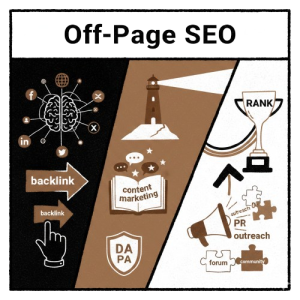
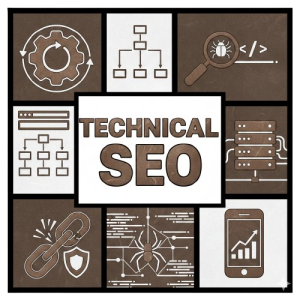
SEO isn’t just one task. It’s a combination of different efforts.1. On-Page SEO This focuses on what’s inside your website. Includes: • Content quality • Keywords • Headings • Meta titles • Images • Internal links 2. Off-Page SEO This focuses on what others say about your website. Includes: • Backlinks • Brand mentions • Social sharing 3. Technical SEO This focuses on how your website works. Includes: • Website speed • Mobile-friendliness • Secure connection (HTTPS) • Proper structure • All three work together like a team. 5. Keywords: The Heart of SEO
Person A: “Everyone talks about keywords. What are they exactly?” Person B: G o o g l e .”For example: • “SEO services” • “best SEO company” • “how SEO works” Tips for Using Keywords Correctly: • Use them naturally (don’t force them) • Include them in headings • Add them in the content where they make sense • Avoid keyword stuffing SEO is about helping users, not tricking search engines.6. Content: The Real King (Still True) Good SEO always starts with good content. Search engines love content that is: • Helpful • Clear • Original • Easy to read Types of SEO -Friendly Content: • Blog posts • Service pages • FAQs • Guides • Case studies Person A: Person B: Quality matters more than quantity. 7. On-Page SEO Explained in Simple Points
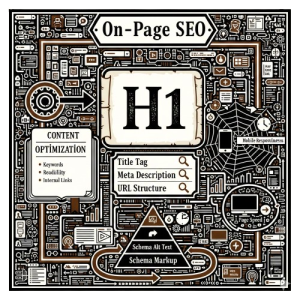
Here’s how to improve SEO on your website pages: • Use clear headings (H1, H2, H3) • Write meaningful meta titles & descriptions • Add internal links to related pages • Optimize images with proper names • Keep URLs short and readable Each page should focus on one main topic. 8. Off-Page SEO: Building Online Trust
Think of backlinks like recommendations. Search engines consider the following when reputable websites connect to your website: “This website must be valuable.” Ways to Build Off-Page SEO : • Guest blogging • Business listings • Social media presence • Quality backlinks Avoid fake or spam links. They do more harm than good. 9. Technical SEO: The Hidden Power
Person A: SEO ?”Person B: Important technical SEO factors: • Fast website loading • Mobile-friendly design • Clean website structure • No broken links • Secure website (HTTPS) Even the best material can be ruined by a sluggish website 10. Mobile SEO: A Must Today
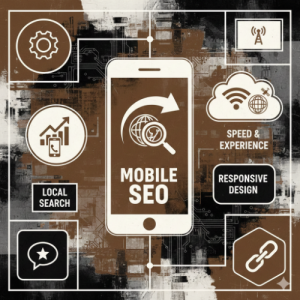
Most people search on mobile phones. So your website should: • Adjust to screen size • Load fast on mobile • Have easy navigation G o o g l e now uses mobile-first indexing, meaning mobile experience matters more.11. Local SEO: Perfect for Local Businesses
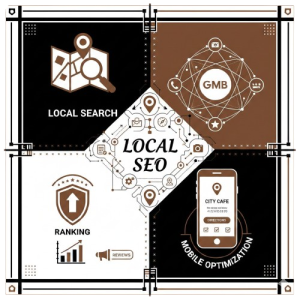
Local SEO is your best buddy if you run a local firm. Local SEO helps you appear when people search: • “SEO agency near me” • “digital marketing company in [city]” Local SEO Tips: • Create Google Business Profile • Add correct contact details • Get customer reviews • Use local keywords Local searches often bring ready-to-buy customers. 12. SEO Is Not One-Time Work Person A: “I did SEO once. Is that enough?” Person B: SEO is like fitness—you need consistency.”Search engines update frequently. So SEO requires: • Regular content updates • Monitoring performance • Improving pages • Fixing errors SEO is a long-term investment, not a shortcut.13. Common SEO Myths (Let’s Clear Them)
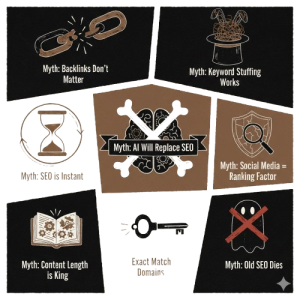
SEO gives instant resultsMore keywords mean better ranking SEO is deadOnly big companies can do SEO Truth: • SEO takes time • Smart strategy beats shortcuts • SEO is growing • Small businesses can win with SEO 14. SEO + User Experience = Success
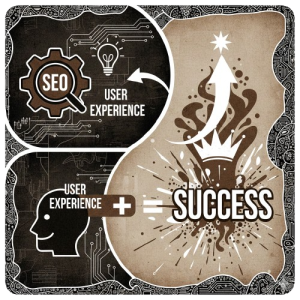
People are the target audience for modern SEO , not simply search engines. Good SEO means: • Easy navigation • Clear information • Fast loading • Helpful content If users are happy, search engines are happy too. 15. Final Thoughts: Is SEO Worth It?
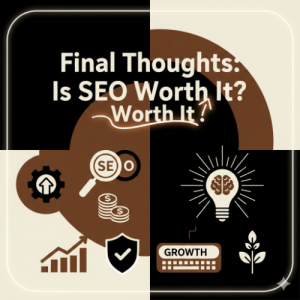
“So, is SEO really worth the effort?” asks Person A Person B: SEO helps you:Reach the right audience Grow your brand organically Stay competitive online Get long-term traffic SEO is crucial if your website is significant to your company.Conclusion When properly explained, SEO is not difficult. Understanding your audience Creating valuable content Making your website user-friendly Being consistent Start small, stay patient, and keep improving. Over time, SEO will work like a silent partner, bringing visitors and opportunities to your website every day.
Post navigation